


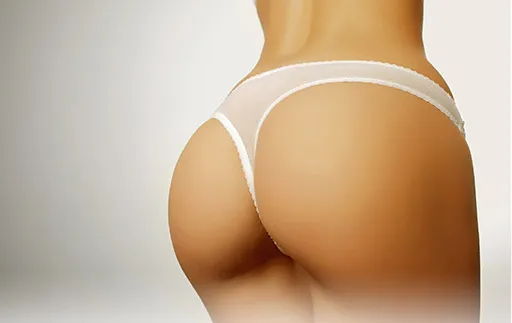
In the world of modern body contouring, fat transfer procedures have gained significant attention for their ability to reshape and enhance natural curves using the body’s own tissue. One of the most talked-about aspects of this transformation is how much of the transferred fat actually survives after the procedure. This is where the concept of fat retention becomes essential, especially when discussing the results of a Brazilian Butt Lift in Dubai. Understanding fat survival is not just about aesthetics; it directly impacts expectations, satisfaction, and long-term outcomes for anyone considering body enhancement through fat grafting techniques.
Understanding Fat Survival Rate in Body Contouring
Fat survival rate refers to the percentage of transferred fat cells that successfully establish a blood supply and remain viable in their new location. During a fat transfer procedure, fat is carefully removed from one area of the body and reintroduced into another. However, not all of these cells survive the transition. Typically, a portion is naturally reabsorbed by the body during the healing process.
The survival rate can vary widely depending on multiple factors, but it generally ranges between moderate to high retention when optimal conditions are achieved. The goal is always to maximize the number of living fat cells that integrate into the new area, creating smoother, longer-lasting volume enhancement.
How Fat Integration Works After Transfer
Once fat is injected into the target area, it does not immediately become permanent. Instead, the body begins a delicate process of adaptation. The transferred fat cells must establish a new blood supply to survive. This phase is critical because fat cells that fail to connect with surrounding tissues are gradually absorbed by the body.
The early healing period plays a major role in determining final outcomes. Swelling is common, and initial volume may appear higher than expected. Over time, as the body adjusts, only the successfully integrated fat remains, forming the permanent structure that defines the final shape.
Factors That Influence Fat Survival Rate
Several biological and procedural elements influence how much fat survives after transfer. One of the most important is the quality of the fat itself. Fat that is gently harvested and carefully processed tends to have a higher chance of survival because the cells remain intact and healthy.
Blood supply in the recipient area is equally important. Areas with strong circulation support better integration of fat cells, allowing them to establish a stable environment more quickly. The technique used during placement also matters, as evenly distributed micro-injections improve oxygen access and reduce pressure on the grafted tissue.
Individual body response plays a role as well. Metabolism, healing ability, and natural tissue characteristics can all influence how the body accepts and retains transferred fat.
The Science Behind Long-Term Fat Retention
Long-term fat retention depends on whether the transferred cells successfully become a permanent part of the body’s fat structure. Once fat cells survive the initial healing stage, they behave like natural fat cells in that region. They expand or shrink based on weight fluctuations, just like the rest of the body’s fat deposits.
This is why stable weight is often associated with better long-term results. Significant weight loss can reduce volume in treated areas, while weight gain can increase fullness. The balance between lifestyle and biological integration ultimately determines how consistent the outcome remains over time.
Healing Process and Its Impact on Results
The healing period is one of the most important phases in fat survival. During this time, the body is adjusting to the transferred cells and building new vascular connections. Swelling, bruising, and mild discomfort are normal as tissues settle and repair.
Compression, movement restrictions, and overall body positioning can influence how fat cells stabilize. Excessive pressure on treated areas during early recovery can reduce survival rates, while proper care supports better integration. This stage requires patience, as final results are not immediately visible and continue to evolve over several weeks.
Lifestyle Choices That Affect Fat Stability
Lifestyle habits after fat transfer significantly impact long-term success. Nutrition plays a vital role in supporting cell repair and regeneration. A balanced diet rich in nutrients helps the body maintain healthy tissue development and supports fat cell survival.
Hydration also contributes to tissue elasticity and circulation, both of which are important for maintaining results. Physical activity should be approached gradually, as excessive strain too soon after the procedure may interfere with fat stabilization.
Smoking and other habits that reduce blood flow can negatively affect the survival of transferred fat cells. Consistent healthy routines help preserve the enhanced shape achieved through the procedure.
Long-Term Expectations and Body Adaptation
Once healing is complete, the surviving fat becomes a stable part of the body’s natural composition. The enhanced shape can last for years, provided there are no major weight fluctuations or lifestyle disruptions.
The body continues to age naturally, meaning subtle changes may occur over time. However, the transferred fat behaves like native tissue, adapting along with the rest of the body. This integration is what makes fat-based body contouring unique compared to temporary enhancement methods.
Maintaining realistic expectations is essential. While a portion of fat may not survive, the remaining volume is what defines the long-term outcome, creating natural-looking curves and balanced proportions.
The Role of Natural Body Response in Final Results
Every individual’s body responds differently to fat transfer. Some may retain a higher percentage of fat, while others experience moderate absorption before stabilization. This biological variability is normal and part of the reason results are highly individualized.
The interaction between transferred fat and the body’s healing mechanisms determines final shaping. Once stabilized, the fat behaves consistently, offering a soft and natural contour that blends seamlessly with existing tissue.
Book Us
If you are considering enhancing your body contours and want to understand how fat retention can influence your transformation, professional guidance can help you make informed decisions tailored to your goals. A personalized approach ensures that expectations align with biological possibilities and long-term outcomes.
At Enfield Royal Clinic Dubai, individuals seeking advanced aesthetic solutions can explore treatment options designed to support natural-looking enhancement and balanced results. If you are interested in learning more about how a Brazilian Butt Lift can help achieve your desired body shape, professional consultation can provide clarity on the process, recovery, and expected results tailored specifically to your needs.
Comments (0)