




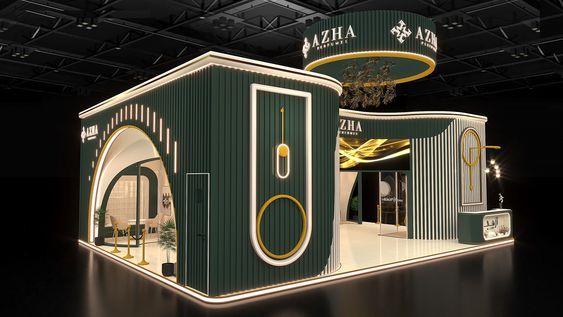
Germany has long been one of the world’s most important hubs for trade fairs, exhibitions, and business events. Cities such as Berlin, Frankfurt, Cologne, Düsseldorf, Munich, and Hannover regularly host large-scale international expos that attract brands from every industry. This strong exhibition culture has led to the growth of a highly professional exhibition stand design ecosystem. Companies operating in this space do not simply build booths; they plan spatial experiences that help businesses communicate visually, function efficiently in crowded halls, and adapt to the practical requirements of different venues. In the middle of this dynamic landscape, Exhibition Stand Design in Berlin has become particularly significant because the capital city combines creative industries, technology, and global business networks within a single exhibition environment.
The Role of Stand Design Companies in Germany
Exhibition stand design companies in Germany typically work at the intersection of architecture, marketing, engineering, and event logistics. Their primary responsibility is to translate a brand’s identity and objectives into a physical structure that works within the constraints of an exhibition hall. This includes understanding floor space limitations, safety regulations, visitor flow, lighting, acoustics, and accessibility standards. Rather than focusing only on aesthetics, these firms aim to create stands that are functional, engaging, and aligned with the exhibitor’s communication goals.
Many German stand design companies operate with multidisciplinary teams that include designers, architects, project managers, carpenters, electricians, and digital specialists. This collaborative approach allows them to handle projects from concept development to final installation. Their work often begins months before a trade fair, involving multiple rounds of planning, prototyping, and coordination with venue authorities.
Design Approaches and Trends
A noticeable trend among exhibition stand designers in Germany is the move toward experience-driven design. Instead of traditional closed booths, many companies now create open, interactive spaces that encourage visitor engagement. This may include digital displays, product demonstration areas, meeting lounges, and immersive multimedia elements. The goal is not just to display products but to create memorable interactions that leave a lasting impression on attendees.
At the same time, modular and flexible designs have gained popularity. Many exhibitors prefer stands that can be reused or adapted for different trade fairs across various cities. German design companies have responded by developing systems that allow components to be reconfigured without compromising visual impact. This approach reduces long-term costs for businesses and minimizes material waste.
Sustainability in Exhibition Design
Sustainability has become an increasingly important consideration in the German exhibition industry. Many stand design companies now prioritize environmentally responsible practices in their work. This includes using recyclable materials, energy-efficient lighting, and sustainable construction techniques. Some firms have also adopted circular design models, where stand elements are designed for disassembly and reuse rather than disposal after a single event.
In addition, companies are exploring lightweight materials that reduce transportation emissions and make installation more efficient. Sustainability is no longer just an ethical choice but a practical necessity, as many trade fair organizers now encourage or require greener exhibition practices.
Technology and Innovation
Technology plays a major role in modern exhibition stand design in Germany. Digital tools such as 3D modeling, virtual reality, and augmented reality are commonly used during the design phase to help clients visualize their stands before construction begins. This allows for better decision-making and reduces the likelihood of costly changes later in the process.
During exhibitions, digital elements such as touchscreens, LED walls, and interactive installations are frequently integrated into stand designs. These technologies help brands communicate complex information in engaging ways and attract visitors in competitive exhibition environments.
Project Management and Coordination
One of the most critical aspects of stand design in Germany is project management. Trade fairs operate on strict schedules, and delays can be extremely costly. Design companies must coordinate with venue operators, logistics providers, electricians, and other contractors to ensure timely installation and dismantling.
Many firms assign dedicated project managers to oversee every stage of the process, from initial briefing to final handover. This level of organization is essential in an industry where multiple stakeholders and tight deadlines are the norm.
How Companies Differ Across Cities
While the overall quality of exhibition stand design is high across Germany, there are subtle differences based on location. Berlin-based companies often emphasize creativity, innovation, and digital integration, reflecting the city’s reputation as a design and startup hub. Düsseldorf firms, on the other hand, tend to focus on precision engineering and long-term client relationships, particularly in industries such as fashion and manufacturing.
Frankfurt and Cologne are known for companies that specialize in large-scale corporate exhibitions, while Munich-based designers often work closely with technology and automotive brands. These regional differences contribute to the diversity and strength of Germany’s exhibition design sector as a whole.
Challenges in the Industry
Despite its strengths, the exhibition stand design industry in Germany faces several challenges. Rising material costs, supply chain disruptions, and increasing sustainability requirements have made project planning more complex. Additionally, the growth of digital and hybrid events has forced companies to rethink traditional stand concepts and integrate virtual elements into their offerings.
Competition is also intense, as many firms operate in the same major cities and target similar clients. To stand out, companies must continuously innovate, invest in new technologies, and maintain high standards of craftsmanship and reliability.
Conclusion
Germany’s exhibition stand design sector is shaped by its strong trade fair culture, technical expertise, and commitment to quality. Stand design companies in the country play a crucial role in helping businesses communicate their brands effectively in highly competitive exhibition environments. Through thoughtful planning, innovative design, and careful project management, these firms contribute to the success of countless trade shows and business events each year. In the middle of this evolving landscape, Exhibition Stand Design Companies in Germany continue to adapt to new trends such as sustainability, digital integration, and modular construction, ensuring that the industry remains relevant, professional, and forward-looking in the years to come.
Comments (0)