





In the world of materials science, stainless steel stands out for its durability, corrosion resistance, and versatility. Among the various grades of stainless steel, the 2205 stainless steel plate has gained significant popularity due to its exceptional properties and wide range of applications. Known for its high resistance to pitting, stress corrosion cracking, and general corrosion, this material is often used in industries where durability and strength are paramount. In this comprehensive guide, Zhonggongte Metallurgical will delve into the properties of 2205 stainless steel plate, its benefits, common applications, and why it is often the preferred choice in industries like chemical processing, marine environments, and construction. By understanding these key aspects, you can make an informed decision about whether 2205 stainless steel plate is the right material for your next project.
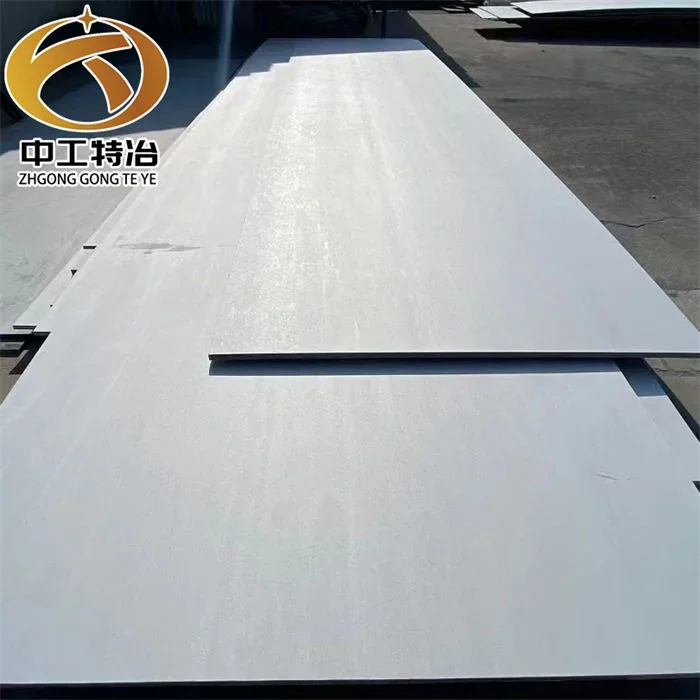
What is 2205 Stainless Steel Plate?
2205 stainless steel plate is a type of duplex stainless steel, meaning it has a two-phase microstructure consisting of both austenitic and ferritic stainless steel. This dual-phase structure gives 2205 stainless steel plate a unique combination of strength and corrosion resistance, making it ideal for applications that require both properties.This alloy primarily contains chromium, nickel, and molybdenum, which contribute to its resistance to corrosion and enhance its mechanical properties. The most notable feature of 2205 stainless steel plate is its ability to withstand harsh environments, including exposure to saltwater, sulfuric acid, and other corrosive substances. With its high tensile strength, excellent weldability, and outstanding resistance to stress corrosion cracking, 2205 stainless steel plate is often the material of choice for industries dealing with challenging environments.
Key Properties of 2205 Stainless Steel Plate
1. Corrosion Resistance
One of the primary reasons why 2205 stainless steel plate is widely used is its superior corrosion resistance. Due to its high chromium, nickel, and molybdenum content, it offers excellent protection against pitting, crevice corrosion, and general corrosion in both acidic and alkaline environments. This makes it a popular choice for industries such as chemical processing, oil and gas, and marine engineering, where exposure to harsh chemicals or saltwater is common. The high resistance to stress corrosion cracking is another key attribute, which is especially important in environments subject to cyclic stresses and corrosive conditions, such as in heat exchangers and offshore structures.
2. Strength and Toughness
2205 stainless steel plate is known for its impressive mechanical properties, which include high tensile strength and good toughness. It is approximately twice as strong as standard austenitic stainless steels like 304 and 316, making it an excellent choice for heavy-duty applications where strength is required. The combination of strength and toughness is a result of its duplex microstructure, which allows it to resist deformation and fracture under stress. This makes 2205 stainless steel plate particularly useful in applications such as pressure vessels, structural components, and equipment that operate under high stress.
3. Weldability
Welding 2205 stainless steel plate can be more challenging than welding austenitic grades of stainless steel, but it is still highly weldable with the proper techniques. It can be welded using conventional methods, such as TIG, MIG, and stick welding, with minimal risk of cracking. To ensure optimal performance after welding, it is recommended to use a filler material that matches the composition of 2205 stainless steel plate. Post-welding heat treatment is often not required, but it can improve the overall strength and corrosion resistance of the material.
4. Resistance to Abrasive Wear
In addition to its corrosion resistance, 2205 stainless steel plate offers excellent resistance to abrasive wear, making it suitable for applications involving exposure to friction or physical wear. This property is beneficial in industries such as mining, construction, and heavy machinery, where the material may be subjected to wear from abrasive particles.
Advantages of Using 2205 Stainless Steel Plate
1. Durability and Longevity
The 2205 stainless steel plate is designed to withstand harsh environmental conditions, offering exceptional longevity and durability. The material is resistant to a wide range of corrosive elements, including chlorides, sulfur, and acids, which makes it ideal for long-term use in industries such as marine, offshore, and chemical processing. Due to its high strength and resistance to corrosion, 2205 stainless steel plate components are less likely to fail prematurely, reducing maintenance costs and downtime. This makes it an excellent investment for companies looking to maximize the lifespan of their equipment.
2. Cost-Effectiveness
While 2205 stainless steel plate may be more expensive than some other materials, its superior performance and durability often make it more cost-effective in the long run. The high resistance to corrosion and wear reduces the need for frequent repairs and replacements, leading to lower maintenance costs over the lifespan of the material. Moreover, 2205 stainless steel plate offers a significant advantage over austenitic stainless steels in terms of strength. This means that structures or components made from 2205 stainless steel plate can be made thinner and lighter without compromising performance, further reducing material costs.
3. Sustainability
As industries continue to prioritize sustainability, 2205 stainless steel plate offers significant environmental benefits. The material's durability and resistance to corrosion reduce the need for frequent replacements, thereby minimizing waste. Furthermore, stainless steel is 100% recyclable, making it an eco-friendly option for companies looking to reduce their environmental impact.
Applications of 2205 Stainless Steel Plate
1. Chemical Processing
Due to its excellent resistance to corrosion and high-strength properties, 2205 stainless steel plate is commonly used in the chemical processing industry. It is used in the manufacture of pressure vessels, storage tanks, heat exchangers, and pipelines that handle aggressive chemicals such as acids, alkalis, and chlorides. In particular, 2205 stainless steel plate is highly effective in environments that are prone to stress corrosion cracking, which can lead to failures in other materials. Its resistance to pitting and crevice corrosion ensures the longevity of equipment in chemical processing plants.
2. Marine and Offshore Applications
The marine and offshore industries require materials that can withstand harsh environmental conditions, including exposure to saltwater and high levels of moisture. 2205 stainless steel plate is ideal for applications such as shipbuilding, offshore platforms, and underwater pipelines, where corrosion resistance and strength are critical. The material's resistance to pitting and crevice corrosion in seawater makes it an excellent choice for boat hulls, marine fasteners, and other marine components that must endure prolonged exposure to saltwater.
3. Oil and Gas Industry
The oil and gas industry often operates in extreme environments, such as deep-sea exploration and high-temperature conditions. 2205 stainless steel plate is used in subsea pipelines, gas processing plants, and oil rigs due to its ability to resist corrosion from hydrocarbons and other harsh substances commonly encountered in this sector. The material's strength and resistance to stress corrosion cracking are particularly important in offshore oil rigs and gas processing facilities, where the equipment is constantly exposed to high levels of stress and corrosive substances.
4. Food Processing and Pharmaceuticals
In the food processing and pharmaceutical industries, equipment and surfaces must meet strict hygiene and corrosion resistance standards. 2205 stainless steel plate is often used for storage tanks, mixing equipment, and heat exchangers in these sectors due to its non-reactivity and ease of cleaning. Its resistance to corrosion from food acids and cleaning chemicals ensures that it remains in top condition for long periods, reducing the risk of contamination and improving product safety.
Conclusion
2205 stainless steel plate is a highly versatile and durable material that offers exceptional performance in a wide range of applications. Its superior corrosion resistance, high strength, and excellent weldability make it a preferred choice for industries that require robust materials capable of withstanding harsh environments. Whether you are working in chemical processing, marine, offshore, or food processing industries, 2205 stainless steel plate offers the durability and longevity needed to ensure the reliability of your equipment. With its cost-effectiveness, sustainability, and ability to resist corrosion and wear, 2205 stainless steel plate continues to be a top choice for industries that prioritize high performance and long-term value. If you're considering a material for your next project, 2205 stainless steel plate may be the ideal solution for your needs.
https://www.zhonggongtemetal.com/2205-Stainless-Steel-Plate.html
Comments (0)