


Many people are surprised to learn that breathing habits may influence pelvic floor function. Individuals searching for pelvic floor physiotherapy Edmonton services often report symptoms such as urinary leakage, pelvic discomfort, or core weakness without realizing that breathing coordination might play a role.
The diaphragm and pelvic floor work together as part of a pressure management system. When this system is not functioning efficiently, symptoms may develop over time.
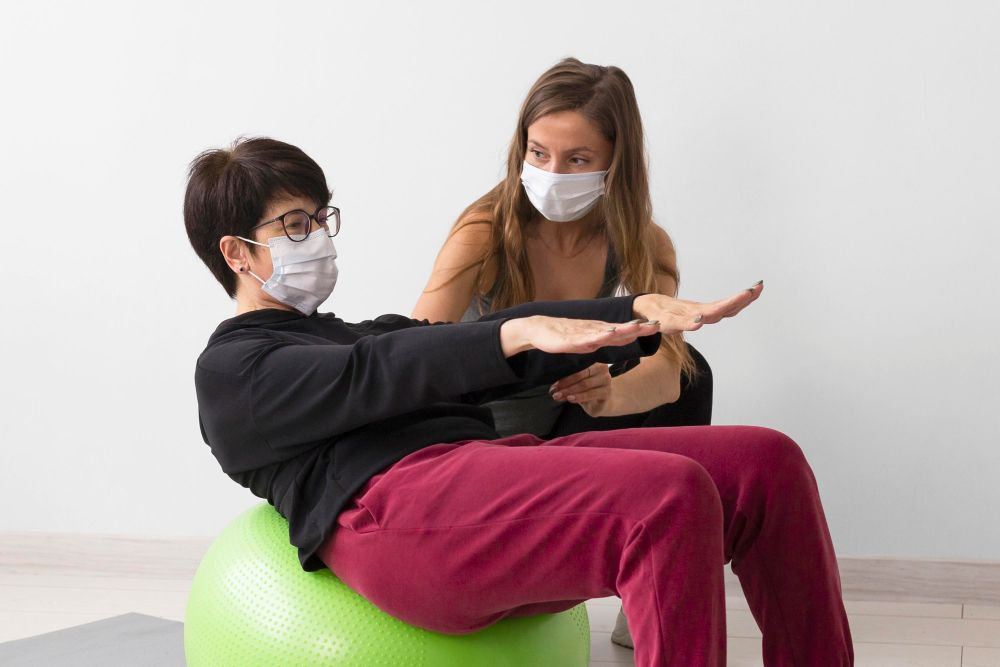
How the Diaphragm and Pelvic Floor Work Together
The diaphragm sits below the lungs and plays a key role in breathing. The pelvic floor forms the base of the core system. During a relaxed inhale, the diaphragm descends and the pelvic floor gently lengthens. During exhalation, both structures return to their resting position.
If breathing becomes shallow, forceful, or consistently held, pressure may not be distributed evenly. Over time, this could contribute to:
- Pelvic tension
- Feelings of heaviness
- Leakage with coughing or exercise
- Reduced core stability
- Lower back discomfort
Pelvic floor Physical therapy may focus on restoring coordinated breathing to support better pressure control.
Common Breathing Habits That May Affect Pelvic Health
Some patterns that may influence pelvic floor function include:
- Chest-dominant breathing instead of diaphragmatic breathing
- Frequently holding the breath during lifting or exercise
- Chronic abdominal gripping
- Limited rib cage mobility
An assessment at a pelvic floor physiotherapy Edmonton clinic may evaluate breathing mechanics alongside posture and movement patterns.
Why Pressure Management Matters
Everyday activities such as lifting groceries, coughing, running, or transitioning from sitting to standing increase pressure within the abdomen. If the pelvic floor is not coordinating effectively with breathing, it may struggle to manage these pressure changes.
Individuals searching for pelvic floor physiotherapy near me are often looking for ways to improve bladder control, reduce discomfort, or safely return to exercise. Learning how to regulate breathing during movement may be one component of care.
How Pelvic Floor Physiotherapy Supports Improvement
Pelvic floor physiotherapy programs are tailored to each individual’s symptoms and goals. Treatment may include:
Breathing Retraining
Guided exercises may encourage diaphragmatic breathing and coordinated pelvic floor engagement.
Gentle Core Activation
Deep abdominal muscle training may support spinal and pelvic stability without excessive strain.
Postural Education
Adjustments to sitting, standing, and lifting positions may help distribute pressure more evenly.
Gradual Return to Activity
For postpartum individuals or active adults, exercise progression may be structured to match tolerance levels.
Who May Benefit from Breathing-Focused Pelvic Floor Therapy?
You might consider consulting a provider if you experience:
- Urinary leakage during exercise
- Pelvic heaviness after prolonged standing
- Ongoing lower back discomfort with core weakness
- Difficulty returning to fitness after pregnancy
- Persistent pelvic muscle tension
A detailed evaluation may help determine whether breathing coordination is contributing to symptoms.
Supporting Long-Term Pelvic Health
Breathing is something we do continuously, often without thinking about it. Small adjustments in breathing patterns and posture may influence how the pelvic floor responds during daily tasks and physical activity.
Through structured pelvic floor physiotherapy Edmonton services, individuals may gain awareness of how breath control, posture, and movement interact. If you are searching for pelvic floor physiotherapy near me, an individualized assessment may provide guidance on strategies that support improved coordination and functional pelvic health.
Comments (0)