


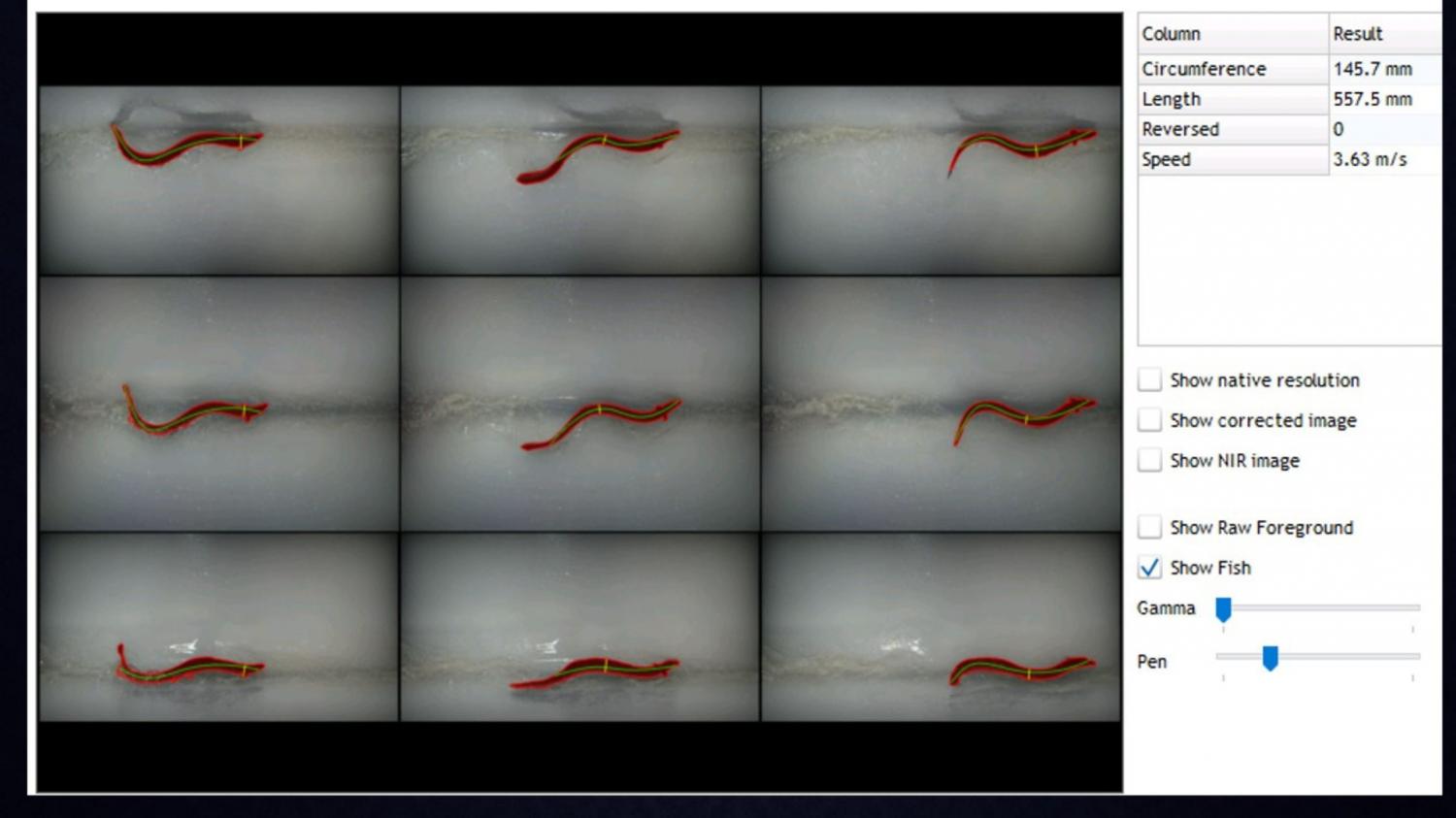
Are you still relying on manual nets and heavy lifting for your broodstock? Why do we trust our high-tech hatcheries to 20th-century transport methods? Have you ever calculated the real cost of stress-induced mortality during a routine move? It is time for a fresh perspective on fish transfer. We need to move past "trap and haul" and enter the era of "glide and go." A smarter river isn't just about survival; it is about thriving. Let’s stop thinking about moving biomass and start seeing it as a high-speed data stream.
The Hidden Price Of Physical Handling
Traditional transport often involves a "predator-like" experience for the fish. They are netted, dewatered, and dumped into tanks. This creates a massive spike in cortisol levels. High stress leads to lower reproductive success and weakened immune systems. According to NOAA Fisheries, the success of restoration depends on "safe, timely, and effective" passage. If your move takes hours and leaves the fish exhausted, it isn't truly effective. We need a system that removes the human "touch" and replaces it with a gentle, autonomous glide.
Revolutionizing The Journey With Pneumatic Precision
Imagine a transport system that behaves more like a high-end logistics network. Instead of sloshing around in heavy water tanks, fish can move through a misted, frictionless environment. This is the core of a modern fish monitoring system. By using differential air pressure, we can move fish over barriers in seconds.
- Zero Gravity Feel: Fish are supported by a soft cushion of air and moisture.
- Biometric Security: The system "sees" the fish before it even starts the journey.
- Modular Speed: Setup can happen in remote locations without roads or heavy power.
- Energy Conservation: Fish arrive at their destination with 100% of their energy reserves for spawning.
The Digital Twin: Real-Time Intelligence In Every Tube
When a fish enters a modern transport portal, it becomes part of a digital audit. It isn't just a number; it is a data point. The system captures high-definition images from multiple angles in less than half a second. This allows managers to distinguish between wild and hatchery fish without ever touching them.
The U.S. Fish and Wildlife Service emphasizes that data-driven management is the key to river restoration. By creating a permanent digital record, you satisfy federal mandates for the "best available science." You no longer have to guess about the health of your run. You have the visual proof to back up every decision.
Operational Roi: Reclaiming Water And Labor
Traditional fish ladders and hauling operations are "water hogs." They require a constant flow of 5–10% of a river's volume just to function. That is water that could be generating power or irrigating crops. Modern pneumatic systems use a fraction of that water. They are also fully autonomous. They "wake up" when a fish enters and go back to sleep when the job is done. This reduces labor costs and eliminates the need for 24/7 manual oversight. You aren't just saving fish; you are reclaiming your operational budget.
Closing The Loop On Ecological Sovereignty
A healthy river is a balanced river. Not every fish that enters a system should be allowed to pass. Some are invasive; others are injured. Automated sorting allows you to make "keep or cull" decisions instantly. This protects native ecosystems from intruders while ensuring that the strongest spawners reach the headwaters. It is about taking control of the river’s narrative.
Comments (0)