


The thing about having your own place that's the right chords. It's not buying. Not renting. Building. The smallest Tiny home kit doesn't consist of just wood and screws in the box. It's an opportunity to get into an existence that most people speak about. Less clutter, less debt, less noise. Control. A greater focus. Sometimes, there are headaches, too, if you're doing our best.
The Reality Behind the Dream
Most people look at the shiny Instagram homes and imagine they're all comfy mornings with cafes by the window. This is a part. What's the other? measuring twice, cutting once but then messing it up again before figuring it out. This is how you build the best product.
If you're considering an small kit for your home thinking about whether it's possible to achieve it, you probably could. You must be aware of the details before you pick the first box up.
What a Tiny Home Kit Really Includes
Let's get this straightened out immediately. An extremely small home kit may not all the time "everything included." Some kits can be considered close, while other kits... just not so too.
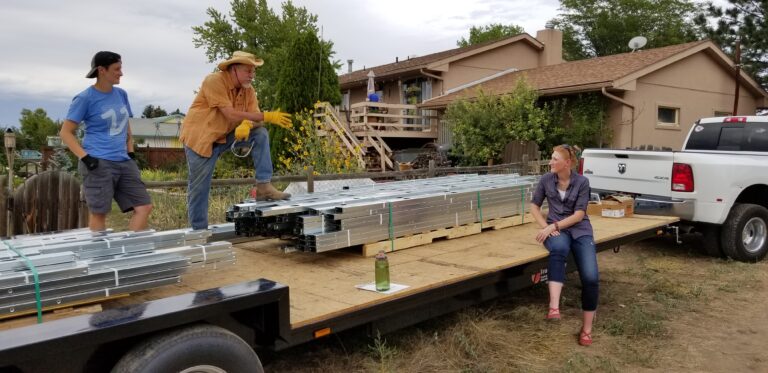
The majority of good kits come with construction framing as well as walls, roofing components windows, doors and fasteners. A few go further by adding flooring, insulation and already wired electrical outlets. But plumbing? Appliances? Interior surfaces? It's typically on you.
Here's the place where many people fall. They think "kit" means plug-and-play. This isn't IKEA furniture. Still building a home however, with fewer choices in the beginning. It's beneficial in case you're not looking to be overwhelmed by choices.
Before signing, you should go step-by-step through the items in the document. If there's no mention of something it's likely that you'll need to find it on your own.
Picking the Right Location First (Not Last)
Most people get overly excited by the construction but forget about the terrain. That's backwards. The land is the one who decides all things.
If you're looking for an tiny house for sale colorado it's likely that you've already figured out the terrain could be a challenge. The mountains, the snow and zoning regulations that vary between counties--it's difficult to figure it out. Certain areas are hospitable for homes with tiny spaces. Some... nope. none.
Review local laws. Examine the access roads. Take a look at utilities. Are you planning to go off grid? Are you connected to water from the city? Solar power? They're not just a matter of thought. They are the foundation of your whole design from the beginning. Weather is a must-not-miss. Colorado winters can be brutal. The gear you choose to use must be able to deal with this.
Budgeting Without Lying to Yourself
This is the real truth. What number do you think of in your brain? Most likely, it's low. The kit is one component. It's then the land, permits, foundation equipment, tools, work (if you're taking on the whole thing yourself) Interior finishes as well as connection... the list goes into a quick and easy process.
Many people love to say that tiny houses cost a lot. It's true that they can cost less. However "cheap" depends on your selections.
The most realistic method is. Include a buffer of 10 to 20 percent, at the very least. It's inevitable to encounter. An interruption, a lost piece, a gadget you didn't even know that you needed. This is part of the routine. It is better to be prepared to be prepared rather than panic in the middle of the process.
Prepping the Site Before Anything Arrives
Don't wish for the delivery truck to show up with a patch of sloppy dirt and confusion. The preparation of the site is more important than most people realize.
Clean the land. Make sure it is level. Establish your foundation--whether it's an abutment, slab, or even a trailer base. Every option comes with advantages and disadvantages, and depending on the location you're in.
Access is another aspect that many do not think about. Do trucks have the ability to get into without difficulty? Are materials able to be removed without becoming a lengthy process? If your site isn't finished it will be delayed before it begins. This is frustrating in a manner that stays in your mind.
Assembling the Frame (Where It Gets Real)
That's when it becomes a concept and begins to look like an actual structure. The framing begins to rise walls start to form, then suddenly, it's not just a piece no more.
The majority of tiny kits for home use have been designed to ease this process. Materials that are pre-cut, labels on the parts, directions which make sense (usually). However, patience is required.
There are times when things don't go perfect. Wood moves. Weather can cause problems. Then you change. It's your job. Be patient here. If you rush, it can cause issues that will follow you until the end point.
Roofing and Weatherproofing Early
Make sure it is sealed as fast as possible. Seriously. When the frame is in place then the next thing to do is to secure it. Roof panels, underlayments and waterproof barriers - these things keep the structure from being destroyed from a sudden storm.
Particularly in areas such as Colorado in the United States, where weather conditions changes quickly. Just one bad snowfall or a heavy rainfall at the wrong moment can cause damages before even moving into. It's not the most glam part of the construction, however it's among the main ones.
Running Utilities Without Overcomplicating It
Here is where things become more technical. Electrical, plumbing, heating. There are parts you can make yourself of these however, you must be aware of your limitations.
Certain people live completely off grid using solar panels and composting toilets as well as tanks for water. Some connect to the standard utility. Both are valid. The only thing that matters is the configuration you have and your capacity for maintaining.
Make it easy if you are able to. The overengineering of a small space often will backfire. There's no room to conceal mistakes within a tiny home. If you're not sure, call an expert to help you with the least part. The cost is worth it.
Interior Finishing: Where Personality Shows Up
Then it becomes exciting. It's also a bit overpowering. Flooring, walls, cabinets Lighting, and walls--this is the place the point where your home begins to look like it's yours. It's not just a construction project. It's a place.
However, space is limited which is why every option matters. Furniture with multiple functions can be helpful. Built-ins help save the space. Storage should be considered smart and not only pretty. You'll likely reconsider your decision a couple of times. That's normal. Be careful not to let uncertainty impede you totally.
Common Mistakes People Don't Talk About Enough
There are people who make mistakes. This is a fact. However, some errors show up repeatedly. Overestimating the time taken is a major mistake. Construction can take more time than you expected when you're managing your work or working on your own.
The lack of insulation is yet another. If you live in a colder climate this isn't a place that you should take out. Then there's overdesigning--trying to cram too many features into a small footprint. The idea sounds great when you read it on the paper. But in real life, it's congested fast. Make sure you're useful. It will pay off later.
Why Some People Still Choose a Prebuilt Option
Some people don't want to start completely from scratch. That's okay. There's a reason why people are looking at the listings of an small house to buy in Colorado rather than going with for the traditional way. Experience, time and convenience all play an important role.
Building lets you take control without doubt. However, buying prebuilt construction removes some of the stress. There are no construction delays, there is there is no guesswork, and no sudden purchasing of equipment. It all boils down to the things you are most interested in the more personalization or the simplicity.
Wrapping It Up Without Overthinking It
Making your own home kit can be a challenge however it's accessible and affordable. The process is a long one. It can be messy at times but rewarding with ways that are difficult to comprehend unless you've actually done it.
Learn as you go. Fix things that you weren't expecting to fix. One day, you look back and discover that you actually created this.
It's all about.
When you're deciding to go all-in on the idea of a tiny Kit for your home or simply looking into the concept, make sure you take your time. Ask questions. Be patient when making choices that determine the way you live your life in that room.
FAQs:-
What's in small kits for home use?
A majority of kits come with structural elements such as walls, framing, roofing and the basic hardware. There are some who add insulation and windows. However, the interiors and utility areas are usually distinct.
Do you think it is cheaper to construct using a small home kit?
It is often cheaper than conventional homes, however the costs can be different. The cost of land, permits and other finishings add up quickly making budgeting for the future essential.
Do I have the right to build a small house on the outskirts of Colorado legally?
However, regulations differ according to the county. Make sure you check out zoning laws and construction codes as well as utility rules prior to beginning.
What is the time frame to construct a small home kit?
From a couple of weeks up to several months according to your personal experience, temperatures, as well as the time you put into it.
Do I require professional assistance to use utility services?
Most of the time, yes. The plumbing and electrical systems usually require certified professionals to comply with standards and guarantee security.
Do tiny houses work well in frigid climates such as Colorado?
They are if well-insulated and designed to be weatherproof. Good quality materials and a good design can make all the difference.
Comments (0)