


Things to Do in Agra Planning to visit Agra is one of the most exciting decisions an American traveler can make when putting together an India itinerary, and the city consistently delivers experiences that go well beyond the single famous monument most people associate with it. Yes, the Taj Mahal is extraordinary beyond description, but visit Agra with genuine curiosity and adequate time and you will discover a city layered with Mughal imperial history, living craft traditions of marble inlay work, extraordinary street food, and a cluster of heritage sites so concentrated that three separate UNESCO World Heritage Sites are accessible within a single day's visit radius. This complete traveler's guide covers everything you need to know to plan, budget, and execute a visit that does genuine justice to one of India's most historically significant cities.
What Makes Visit Agra Worth Every Traveler's Time
To visit Agra is to enter one of the most historically rich and architecturally extraordinary cities in all of South Asia, a place where the Mughal Empire concentrated its greatest artistic and architectural ambitions during the 16th and 17th centuries and left behind a legacy of physical beauty that simply has no equivalent anywhere else in the world. The Taj Mahal alone, completed in 1653 after 21 years of construction by approximately 20,000 artisans sourced from across the Mughal Empire and beyond, is worth the journey from any point on earth. But the city offers so much more: Agra Fort, a 94-hectare red sandstone fortress complex built primarily under Emperor Akbar from 1565, is a monument of such extraordinary scale and architectural variety that it would be the headline attraction of most Indian cities. The marble inlay craft tradition that produced the Taj Mahal's surface decoration is alive today in workshops throughout the city, offering visitors a direct connection to the ancient techniques that created one of the world's most celebrated buildings. And the living cultural character of Agra's old bazaars, the famous petha sweet shops, and the Mughlai cuisine tradition add layers of genuine local experience that make any visit Agra itinerary rewarding well beyond the heritage monument category.
Most Popular Highlights of Any Visit Agra Trip
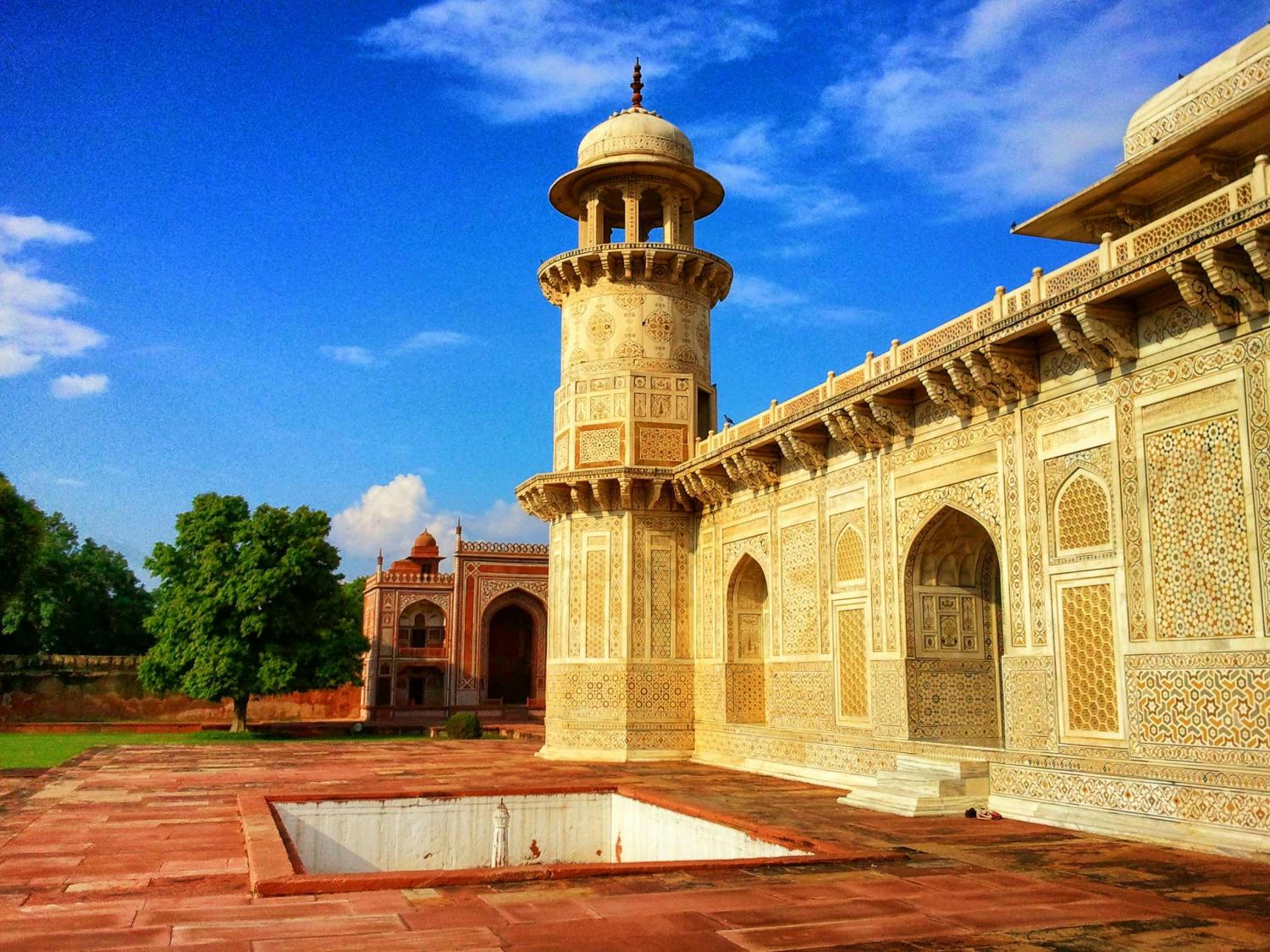
The most popular highlights of any visit Agra trip represent an extraordinary concentration of Mughal heritage within a compact and easily navigable geographic area. The Taj Mahal is the non-negotiable centerpiece, open from 30 minutes before sunrise to 30 minutes before sunset six days a week and closed on Fridays, with foreign national entry at 1,100 Indian rupees including the mausoleum interior. Agra Fort, 2.5 kilometers from the Taj Mahal along the Yamuna River, is the essential historical complement, with the complex enclosing palaces, audience halls, and mosques across three generations of Mughal emperors and providing the historical context that makes the Taj Mahal most fully intelligible as an architectural achievement. Fatehpur Sikri, 40 kilometers west of Agra, is the third UNESCO World Heritage Site accessible from the city: a completely preserved Mughal ghost city built by Akbar in the 1570s and abandoned within 15 years due to water supply issues, it is one of the most extraordinary monuments of Mughal urban planning anywhere in the world. Itmad-ud-Daulah's Tomb, completed in 1628 and widely considered the architectural prototype for the Taj Mahal in its pioneering use of white marble and pietra dura inlay, is the most beautiful and most underrated highlight of any visit Agra experience. And Mehtab Bagh, the Moonlight Garden on the north bank of the Yamuna directly opposite the Taj Mahal, provides the most extraordinary sunset view of the monument available from any vantage point.
How to Plan the Perfect Visit Agra Itinerary
Planning the perfect visit Agra itinerary starts with the decision between a same-day return trip from Delhi and an overnight stay, and the honest recommendation is always the overnight option if your schedule allows it. Staying overnight in Agra means you can experience the Taj Mahal at both sunrise and in the late afternoon, which are the monument's two most beautiful and least crowded times of day, and gives you adequate time for Agra Fort, Itmad-ud-Daulah's Tomb, Fatehpur Sikri, and the old city food culture. The Gatimaan Express train from Hazrat Nizamuddin station in Delhi, departing at approximately 8:10 AM and arriving at Agra Cantt at approximately 9:50 AM, is the fastest and most comfortable way to begin any visit Agra trip, covering the 233-kilometer route in approximately 100 minutes. Pre-book your Taj Mahal entry ticket online through the Archaeological Survey of India website before your visit date since walk-up queues at peak times can consume an hour or more of valuable morning viewing time. Hire an official government-licensed guide at the Taj Mahal rather than exploring independently since the monument contains layers of optical illusion, symbolic meaning, and human narrative that are largely invisible without expert interpretation. For a comprehensive view of all the experiences available during your visit, detailed resources on things to do in Agra provide excellent planning context for building a complete and satisfying itinerary beyond the monument visits.
Best Visit Agra Options for Families This Year
For families with children, the best visit Agra options combine the most child-engaging heritage experiences with the practical comfort and flexibility that makes family travel in India genuinely enjoyable. A private air-conditioned car with driver arranged before departure from Delhi is the most family-friendly transportation option for any visit Agra trip since it eliminates fixed train schedule pressure, allows for comfort stops between Delhi and Agra along the Yamuna Expressway, and provides reliable air-conditioned transport between the widely spaced monument sites throughout the day. Hiring an official guide at the Taj Mahal is especially valuable for families since a skilled guide's storytelling about Shah Jahan and Mumtaz Mahal creates genuine emotional engagement for children of school age and older, transforming the architectural visit into a compelling human narrative about love and grief that children carry with them long after the trip. Children under 15 are admitted free to the Taj Mahal complex, which makes the family economics of visit Agra very manageable. The Agra Fort component of visit Agra is excellent for families with children who respond to history as adventure since the scale of the fortifications, the underground passages, and the stories of Mughal court intrigue create a setting that children find genuinely exciting. Pack water, sunscreen, hats, and snacks for every family member before leaving Delhi since Agra's outdoor monuments require consistent sun protection and hydration throughout the day.
What Your Visit Agra Experience Will Cost Today
Understanding the realistic costs of a visit Agra experience helps you plan an accurate total budget. The Taj Mahal complex entry fee for foreign nationals is currently 1,100 Indian rupees, approximately 13 dollars at current exchange rates, including access to the mausoleum interior. Agra Fort entry for foreign nationals is 650 rupees. Fatehpur Sikri entry is 610 rupees. Itmad-ud-Daulah's Tomb entry is 210 rupees. Mehtab Bagh entry is 300 rupees. An official guide at the Taj Mahal runs 1,000 to 1,500 rupees for a two-hour tour. A private air-conditioned car with driver from Delhi to Agra and return runs 4,000 to 7,000 rupees for the full day. Gatimaan Express round-trip train tickets run 1,500 to 3,000 rupees per person depending on class. Local auto-rickshaw transport within Agra between sites runs 300 to 600 rupees for a half-day circuit. Lunch at a decent restaurant runs 600 to 1,500 rupees per person. Hotel accommodation for a visit Agra overnight stay ranges from 2,000 rupees at clean budget guesthouses to 15,000 rupees and above at premium properties with Taj Mahal views. A realistic two-person same-day visit Agra trip from Delhi by train, covering both major monument entries, a guide, local transport, and lunch, typically runs 8,000 to 12,000 rupees total.
Tips for Making the Most of Your Visit Agra
Making the most of your visit Agra starts with arriving at the Taj Mahal as close to opening time as possible since the first hour after the gates open offers the best light, the thinnest crowds, and the most atmospheric experience of the monument's extraordinary white marble. Pre-book your Taj Mahal entry ticket online before your visit date. Hire only official government-licensed guides who carry photo ID, available at the guide counter inside the main entrance gate. Dress modestly with covered shoulders and knees for all heritage site visits and wear comfortable flat-soled shoes since you will remove or cover footwear on the marble mausoleum platform. Visit Mehtab Bagh in the late afternoon for the extraordinary sunset view of the Taj Mahal across the Yamuna River that most visit Agra itineraries miss entirely. Carry sufficient cash in Indian rupees since many Agra restaurants, guides, and local transport options do not accept card payments. And allow yourself genuinely unhurried time simply sitting in the Taj Mahal garden without a camera or agenda since the experience of being present at one of the world's most extraordinary places in quiet contemplation is something most travelers describe as the most personally meaningful moment of their entire visit Agra experience. https://www.travelosei.com/india/cultural/north/agra
FAQs
How do I get to Agra to visit Agra from Delhi?
The Gatimaan Express train from Hazrat Nizamuddin station is the fastest option, covering the route in approximately 100 minutes. A private air-conditioned car via the Yamuna Expressway takes approximately 3 to 3.5 hours and is the most flexible option for families and groups.
How many days do I need to visit Agra properly?
One full day covers the Taj Mahal and Agra Fort comfortably. Two days allows for the addition of Fatehpur Sikri, Itmad-ud-Daulah's Tomb, Mehtab Bagh at sunset, a marble inlay workshop visit, and the old city food culture for a significantly more complete visit Agra experience.
What is the entry fee to visit Agra's Taj Mahal?
The Taj Mahal complex entry fee for foreign nationals is 1,100 Indian rupees, approximately 13 dollars, including access to the mausoleum interior. Children under 15 are admitted free of charge to the Taj Mahal complex during any visit Agra trip.
What should I wear to visit Agra's monuments?
Dress modestly with covered shoulders and knees for all visit Agra heritage sites since the Taj Mahal, Agra Fort, and Fatehpur Sikri are all sites of Islamic religious and cultural significance. Comfortable flat-soled shoes are strongly recommended for the extensive outdoor walking involved.
What is the best time of year to visit Agra?
October through March is the best season to visit Agra, with comfortable daytime temperatures between 15 and 28 degrees Celsius and clear skies that make the white marble of the Taj Mahal most dramatically visible. The summer months from April through June are very hot with temperatures regularly exceeding 40 degrees Celsius.
Comments (0)