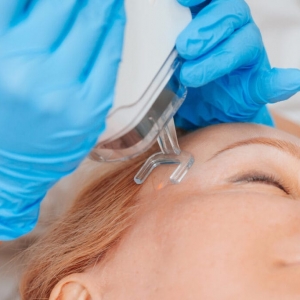
When people think about plastic surgery, their minds usually go to the surgeon, the operating room, and the dramatic “after” photos. What often goes unseen — yet determines whether those after photos tell a success story — is the recovery period. That’s where a Plastic Surgery Recovery Nurse for After Care becomes indispensable. These nurses do far more than change dressings: they translate surgeon instructions into daily routines you can actually follow, catch problems early, manage pain, and support you emotionally through the ups and downs of healing. If you want the best possible outcome from your procedure, entrusting your recovery to experienced, specialized nursing care is one of the smartest moves you can make.
Why a Plastic Surgery Recovery Nurse for After Care matters
Plastic surgery is unique because it aims for both safety and aesthetics. Small issues that might be manageable in other surgical settings — a tiny pocket of fluid, a slow-healing incision edge, or a bit of localized bleeding — can have outsized effects on cosmetic results when they’re not identified and managed promptly. A nurse trained specifically in plastic surgery after care understands the subtle signs that separate normal recovery from an early complication. They know what to watch for, when to intervene, and when to escalate to the surgeon so that minor issues never become major setbacks.
Beyond complication prevention, recovery nurses are also specialists in optimizing long-term outcomes. They guide scar care, compression garment use, lymphatic and mobility strategies, and the timing of therapies like silicone application or massage. Their expertise helps ensure that the final aesthetic is as close as possible to the patient’s expectations.
What a recovery nurse actually does — the day-to-day
The role of a Plastic Surgery Recovery Nurse for After Care is hands-on and highly practical. Here’s what that typically looks like, from pre-op planning to long-term maintenance:
• Pre-op education: Before your operation, the nurse will walk you through the recovery timeline, explain what supplies you’ll need at home, advise on medications and supplements to stop, and help set realistic expectations for pain, swelling, and return-to-life timelines.
• Immediate post-op monitoring: Right after surgery, nurses check vitals, evaluate dressings, monitor drains, and ensure pain is under control. The first 24–72 hours are when many complications first appear, and nursing vigilance here is vital.
• Wound and drain care: Many procedures involve drains or specialized dressings. Nurses either perform these tasks during follow-up visits or teach you — and a home caregiver — how to do them safely, including when to call the team.
• Pain and medication management: Recovery nurses help balance effective pain relief with minimal opioid exposure by teaching multi-modal strategies, instructing on timing, and monitoring side effects.
• Scar and tissue management: Once incisions are appropriately healed, nurses introduce scar massage, recommend silicone or topical regimens, and guide sun-protection strategies that significantly influence long-term appearance.
• Activity and garment coaching: From staged walking to return-to-exercise plans, and from compression garment fitting to timing when garments can be reduced, nurses provide practical schedules that protect your results.
• Emotional support and expectation management: Healing can be emotionally difficult. Nurses normalize the process, provide reassurance, and help patients set realistic milestones so they don’t panic when swelling temporarily hides their results.
A realistic roadmap you can rely on
A structured recovery plan makes a big difference. Ask your team for a written roadmap that breaks recovery into phases: pre-op prep, immediate post-op (0–72 hours), early follow-up (days 3–10), intermediate recovery (weeks 2–6), and long-term maintenance (months). That roadmap should include specific instructions for wound care, medication timing, dressing changes, drain output tracking (if applicable), garment wear schedule, and red-flag symptoms with exact thresholds so you know when to call.
Simple habits that improve outcomes
Partnering actively with your Plastic Surgery Recovery Nurse for After Care amplifies results. Adopt these easy habits:
• Keep a recovery journal: Log pain, medication times, drain output, and take dated photos of healing incisions. Objective data helps your nurse and surgeon spot trends quickly.
• Follow garment and activity guidance precisely: Compression and staged movement are prescribed to shape outcomes and prevent fluid buildup—skip them at your own risk.
• Bring a support person to key visits: Two sets of ears absorb instructions better, and a helper can support at home.
• Be transparent about smoking and supplements: Nicotine and certain herbal supplements increase bleeding risk and slow healing; your nurse needs honest information to advise safely.
• Practice dressing/drain care in clinic: Hands-on practice under supervision builds confidence for home care.
Clear red flags — when to call your nurse
A good recovery nurse gives precise thresholds, not vague warnings. Call immediately for sudden severe pain not relieved by prescribed meds, rapid one-sided swelling (possible hematoma), fever above the advised level, worsening redness or foul-smelling drainage, excessive bleeding or drastic changes in drain output, or signs like shortness of breath or fainting. Early communication almost always prevents escalation.
The emotional importance of after-care nursing
Healing is as much psychological as physical. Patients can feel anxious when swelling masks the final result or when numbness persists. Recovery nurses provide emotional coaching and perspective, helping patients avoid unnecessary panic and reducing ER visits. That emotional support is practical medicine: it improves adherence to care plans and, in turn, outcomes.
How to choose the right recovery nurse
Not every nurse has specialized experience in plastic surgery. When choosing, prioritize procedure-specific experience (breast, facial, body contouring), accessibility (same-day callbacks, telehealth options), the ability to perform or teach home-visit tasks, and solid communication skills. Patient testimonials and surgeon referrals are valuable—ask questions about prior cases similar to yours.
Additional education and resources
If you want more nurse-led education and practical tools to supplement your surgeon’s instructions, there are dedicated nurse-created resources that offer downloadable checklists, video demonstrations for drain and dressing care, and realistic recovery timelines. These materials can help you prepare and feel confident during recovery—search for nurse-focused platforms and patient education hubs for reliable guidance. One such patient-focused resource to look up by name is PlasticSurgeryNurse.com, which provides nurse-created educational materials and practical after-care tools tailored to plastic surgery patients.
Final thought: after care completes the transformation
Surgery begins the transformation; after care completes it. A Plastic Surgery Recovery Nurse for After Care protects your safety, preserves the cosmetic result, and guides you through both clinical and emotional hurdles of healing. When planning a procedure, treat after care as essential: request a written recovery roadmap, choose nurses with procedure-specific experience, and partner actively in your healing. With experienced nursing at your side, recovery becomes predictable, supported, and far more likely to deliver the outcome you imagined.