Canadian retail sales October figures point to a soft start to the holiday shopping period, with total sales declining 0.2 per cent to $69.4 billion, according to new data released by Statistics Canada. The pullback followed a strong late summer and early fall, reinforcing signs that consumer spending remains under pressure amid elevated household costs and cautious sentiment.
While the October results disappointed, Statistics Canada’s advance estimate for November suggests a rebound of 1.2 per cent. However, the agency cautioned that the preliminary figure will be revised, as is standard with early estimates.
The October decline was largely driven by weaker performance at beer, wine and liquor stores, where sales fell 10.6 per cent. Statistics Canada said the drop coincided with a strike and labour disruptions in British Columbia, which affected supply and store operations during the month.
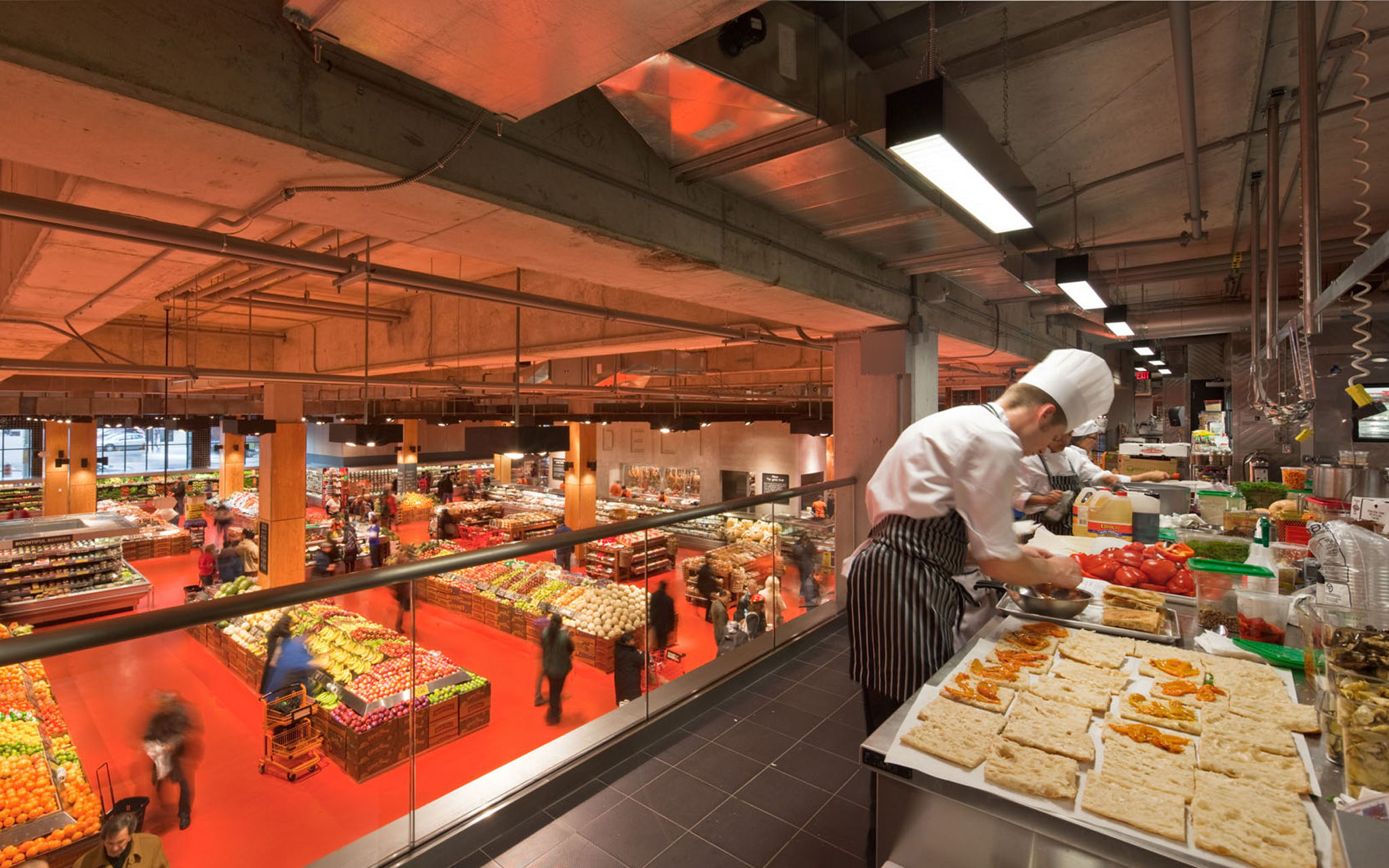
Food and beverage retailers overall posted a two per cent decline. Within that category, sales at supermarkets and other grocery retailers fell 0.7 per cent, indicating that even essential spending softened as consumers continued to manage higher food costs.
Discretionary Spending Shows Mixed Signals
Beyond food and alcohol, results across discretionary categories were uneven. Sales at clothing, clothing accessories, shoes, jewelry, luggage and leather goods retailers declined 0.7 per cent in October. Health and personal care retailers also posted a modest decrease of 0.3 per cent.
In contrast, furniture, home furnishings, electronics and appliance retailers recorded a 1.1 per cent gain. Along with clothing and electronics, this category remains one of the few areas showing consistent positive momentum, offering some support to overall Canadian retail sales October trends.
Auto Sales Provide Modest Support
Motor vehicle and parts dealers reported a 0.6 per cent increase in sales, with new car dealers posting a 0.5 per cent gain. While the auto sector has experienced volatility throughout the year, October’s results suggest stable demand heading into the final quarter.
However, when excluding gasoline stations, fuel vendors, and motor vehicle and parts dealers, core retail sales fell 0.5 per cent in October. This measure provides a clearer view of underlying consumer demand and highlights ongoing weakness across much of the retail landscape.
Volumes Point to Ongoing Pressure
In volume terms, retail sales dropped 0.6 per cent in October, underscoring that the decline was not solely driven by pricing effects. Statistics Canada noted that the underlying trend in real sales remains negative, with only a limited number of discretionary categories continuing to post gains.
As retailers head deeper into the holiday period, Canadian retail sales October data illustrate a cautious consumer environment. While early November figures hint at a rebound, the overall outlook suggests that shoppers remain selective, prioritizing value and delaying non-essential purchases where possible.
More from Retail Insider:










Comments (0)