Four-Day Workweek Statistics: A Growing Trend Transforming Modern Workplaces
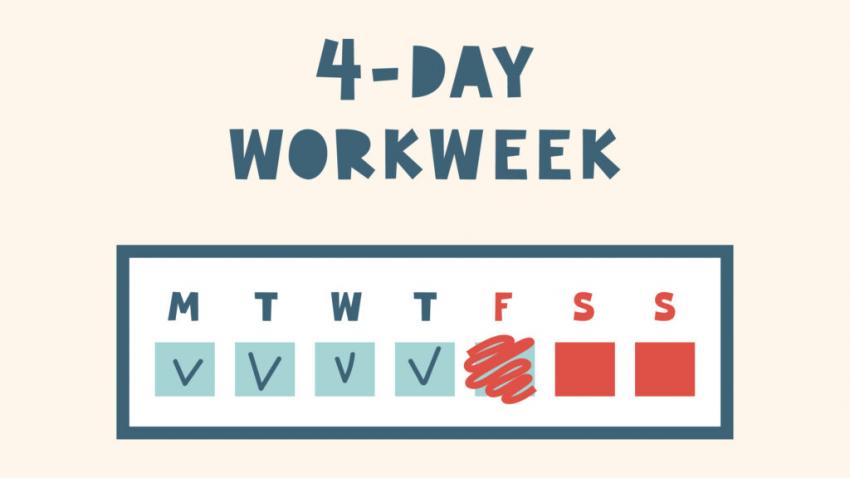
The idea of a four-day workweek has gained significant momentum in recent years as organizations explore new ways to improve productivity and employee well-being. Traditional five-day schedules have long been considered the standard, but recent four-day workweek statistics suggest that shorter workweeks may be more effective for both employees and businesses.
One of the main reasons companies are experimenting with a ... moreFour-Day Workweek Statistics: A Growing Trend Transforming Modern Workplaces
The idea of a four-day workweek has gained significant momentum in recent years as organizations explore new ways to improve productivity and employee well-being. Traditional five-day schedules have long been considered the standard, but recent four-day workweek statistics suggest that shorter workweeks may be more effective for both employees and businesses.
One of the main reasons companies are experimenting with a four-day workweek is the potential for improved productivity. Contrary to the belief that fewer working days would reduce output, many studies and pilot programs have shown the opposite. Employees often become more focused and efficient when they have limited time to complete tasks. By cutting down on unnecessary meetings and distractions, organizations can maintain or even increase productivity while reducing working hours.
Another major benefit highlighted by four-day workweek statistics is improved work-life balance. Employees today place a high value on flexibility and personal time. Having an extra day off each week allows workers to spend more time with family, pursue hobbies, or simply rest and recharge. This additional time away from work can significantly reduce stress and burnout, which are common issues in many workplaces.
Employers also see advantages when implementing a four-day workweek. Companies that offer flexible schedules often find it easier to attract talented professionals in competitive job markets. Many job seekers now prioritize workplace flexibility when evaluating career opportunities. In addition, businesses that adopt shorter workweeks frequently report higher employee satisfaction and stronger team morale.
Lower absenteeism is another benefit. When employees feel more balanced and less overwhelmed, they are less likely to take unplanned leave. This leads to more consistent productivity and smoother business operations.
While the four-day workweek may not work for every industry, its growing popularity shows that many organizations are willing to rethink traditional work models. As companies continue to explore innovative workplace strategies, the four-day workweek may become an important part of the future of work.