Beyond the Panic: Why Global Markets are Reacting to Trump’s 'Short-Term' Plan
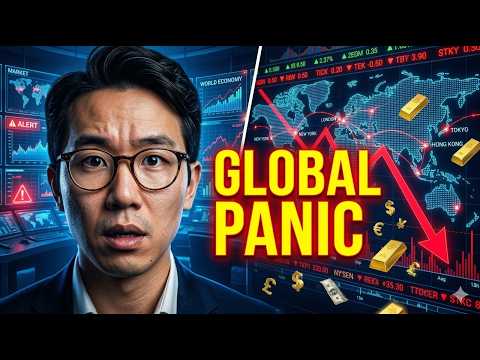
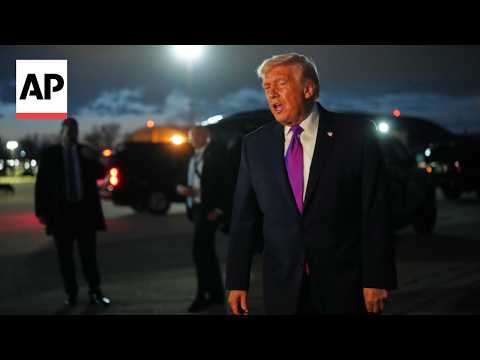
Former U.S. President Donald Trump recently described the current economic turbulence as “a little glitch.” But global markets appear to be reacting very differently.
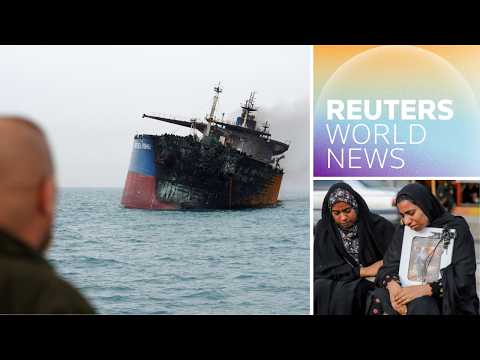
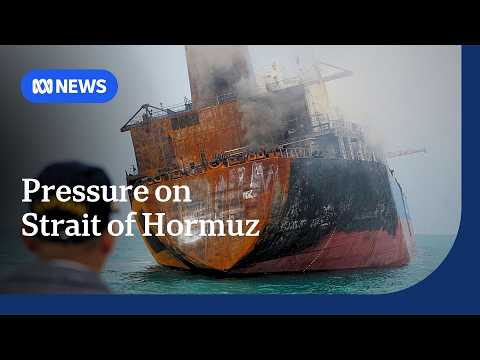
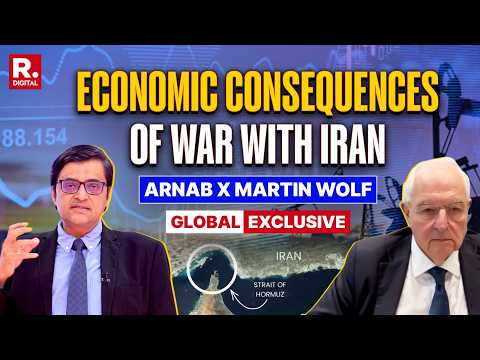
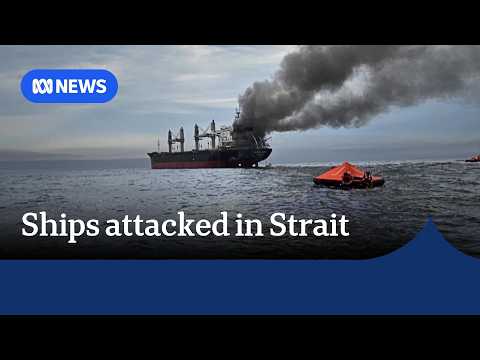
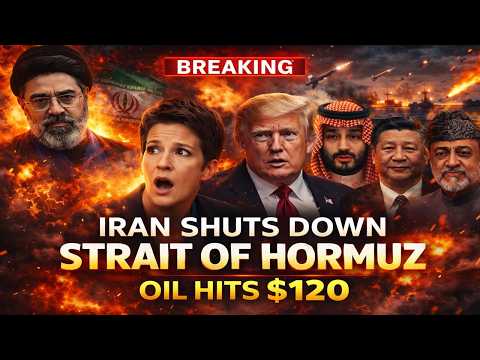
Oil prices surged above $120 per barrel, global stocks erased trillions in market value, and shipping traffic through the Strait of Hormuz — one of the world’s most critical energy corridors — dropped dramatically. At the same time, economists are warning that rising energy costs could push inflation higher while economic growth slows.
So is this really just a temporary disruption — or something more serious?
In this deep analysis from Market and History, we break down the economic data, geopolitical developments, and financial market reactions surrounding the current energy crisis. Using verified research from economists, financial institutions, and historical case studies, this video examines whether the claims about the crisis being “short term” and a “small price” align with the available data.
The Strait of Hormuz is responsible for transporting nearly 20% of the world’s daily oil supply, making it one of the most important chokepoints in the global energy system. Even small disruptions in this region can create ripple effects across global markets, from energy prices to inflation and supply chains.
In this video you will learn:
• Why global oil prices surged and how energy markets react to geopolitical conflicts
• The strategic importance of the Strait of Hormuz for the global economy
• How rising oil prices affect inflation, food prices, and transportation costs
• Why investors closely watch energy disruptions when assessing recession risks
• What prediction markets and financial analysts are signaling about the global economy
• The connection between energy prices, interest rates, and Federal Reserve policy
• How historical oil shocks have influenced economic cycles in the past
• What signals to watch in the coming weeks to understand where markets may be heading
This analysis focuses on verified economic data, market research, and historical comparisons to explain the broader implications of current events. Rather than speculation or sensational headlines, the goal is to provide viewers with a clear understanding of how geopolitical events can influence financial systems and household costs.
Global markets react not just to events, but to uncertainty and risk expectations. By understanding how energy markets, central banks, and investor behavior interact, viewers can better interpret the economic signals shaping today’s world.
If you want deeper insights into geopolitics, global markets, economic history, and financial trends, subscribe to Market and History for weekly analysis connecting world events to economic outcomes.
Professional Disclaimer
This video is created strictly for educational and informational purposes only. The analysis presented is based on publicly available data from recognized economic institutions, financial research reports, and news organizations.
The opinions expressed in this video represent analytical interpretations of geopolitical and economic developments and do not constitute financial, investment, legal, or political advice.
Market and History does not promote misinformation, political propaganda, or harmful content. The purpose of this channel is to provide educational commentary and analysis on global economic trends, historical events, and financial market behavior.
All references to governments, political leaders, economic policies, and international conflicts are included strictly for research, commentary, and educational discussion under fair use principles.
Viewers should conduct their own research and consult qualified professionals before making financial or investment decisions.


















































































































































































Comments (0)