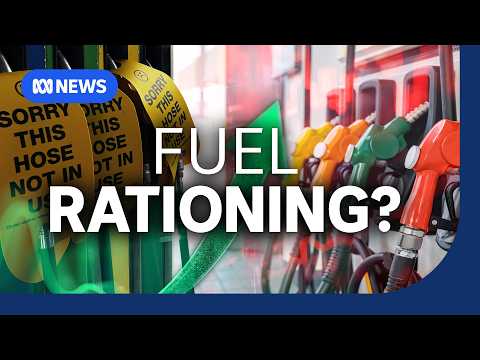
Could Middle East war lead to fuel rationing? | The Business | ABC News
Subscribe:
http://ab.co/1svxLVE
Read more here:
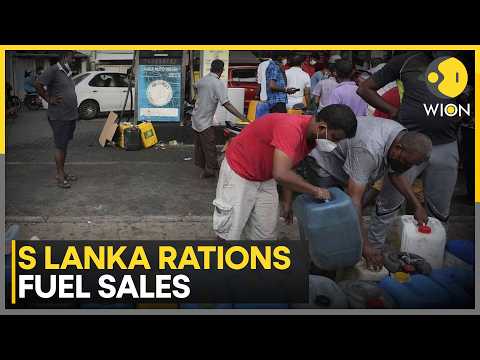
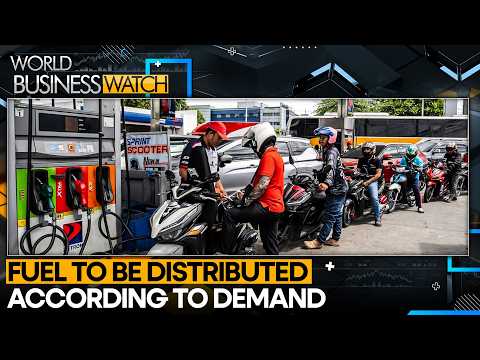
Experts say we should prepare for the possibility the war in the Middle East will force Australia to start rationing fuel. Motorists are being asked to stop panic-buying because it is making the problem worse. APCO director Peter Anderson says he's been talking with his suppliers, and they are assuring him that he'll continue to get his full allocation of fuel. The company has 30 petrol and service stations in some of Australia's south-eastern states, mainly in Victoria. He says he would normally distribute 10 million litres a week, but last week he did more than 13 million litres. He blames panic buying for the fuel crunch seen in Australia in recent weeks. Mr Anderson has worked in the industry for decades. Two major oil crises in the 1970s. The invasion of Kuwait in the 1990s. The Russia-Ukraine war that erupted in 2022. In the 1970s, cars with number plates ending in an even number could buy fuel on one day, then those ending in an odd number the next day, under the rationing program. "I remember all those days, the queue of odd-numbered cars out the front," he tells the ABC
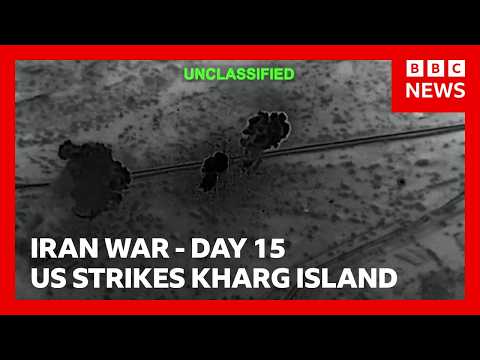
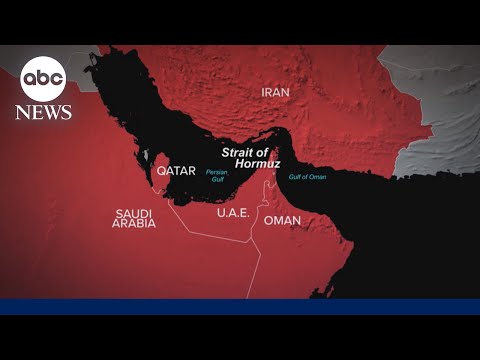
According to the International Energy Agency (IEA), the war between the United States, Israel and Iran has created the largest supply disruption in the history of the global oil market. It says that, in 2025, an average of 20 million barrels per day of crude oil and oil products passed through the Strait of Hormuz. With no end in sight for the war, Professor Samantha Hepburn from Deakin Law School, sees the impact in simple terms: there is now far less fuel flowing around the world, and countries will have to adapt to that reality. Retired air vice-marshal John Blackburn agrees that Australians will have to adapt their behaviour if the Middle East war is prolonged.
#ABCNEWS #ABCNEWSAustralia

















































































































































































Comments (0)